Information for Prevention
This section presents practical information to help identify key challenges and drive meaningful prevention programs.
Did You Know? -Mold
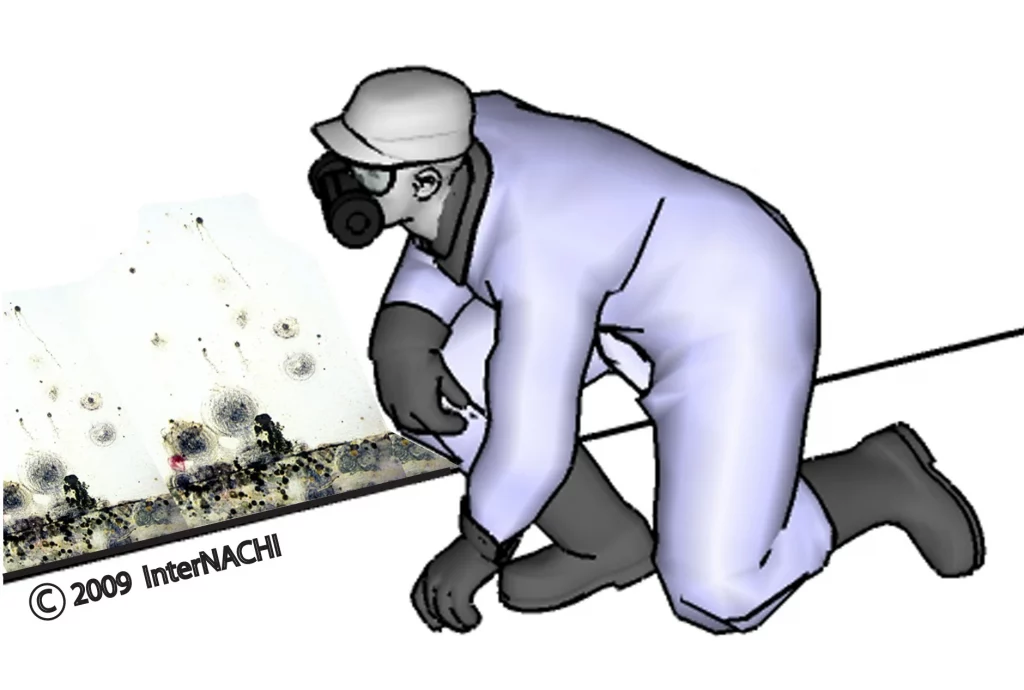
Mold can begin to grow within just 24-48 hours after a water leak or flood? If not addressed immediately, a small leak can become a major infestation in a single weekend.
There are over 100,000 species of mold. While only a few dozen are commonly found indoors, each requires a different specialized approach for effective removal.
Prevention Tip: Keeping your indoor humidity between 30-50% is the most effective way to prevent mold growth. High humidity acts as an “all-you-can-eat” buffet for mold spores.
A mold inspection will typically take between 1-3 hours. After a sample is collected, we send it sealed and tracked to a third-party accredited laboratory. We provide an unbiased, objective analysis that insurance companies and real estate attorneys trust.
Did You Know? -Radon
Radon is the #1 leading cause of lung cancer among non-smokers in the United States. It’s responsible for 21,000 deaths every year.
Children are at higher risk. Because they have smaller lungs and higher respiration rates, they may inhale more radon relative to their body size than adults, increasing their lifetime risk.
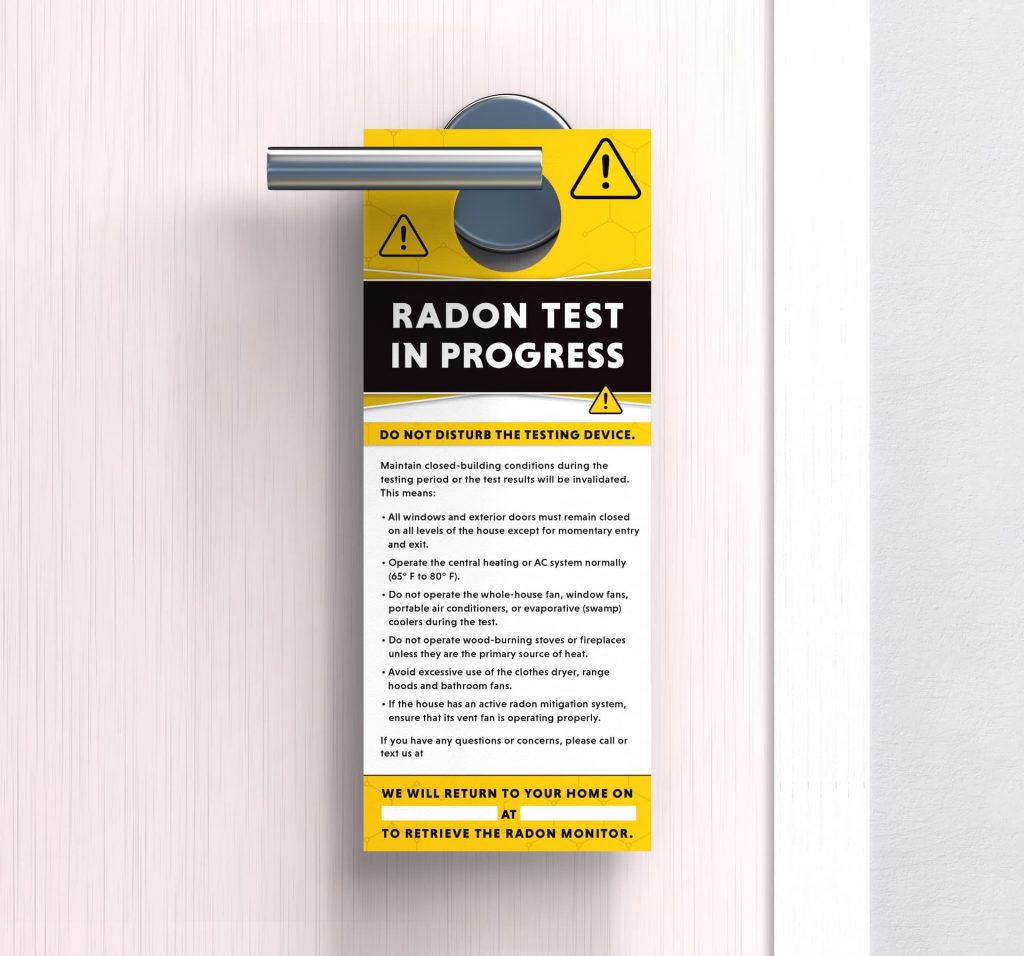
Tip: Winter is the best time to test for radon in Missouri. Because we keep our windows and doors shut tight against the cold, radon gas becomes trapped inside, making it the most accurate time to measure your “worst-case” exposure.
Professional radon testing takes just 48 hours and provides a certified report with a recommendation is mitigation is required.
If mitigation is required, the process is simple, minimally invasive and most cases will only take a half day by our licensed specialists.
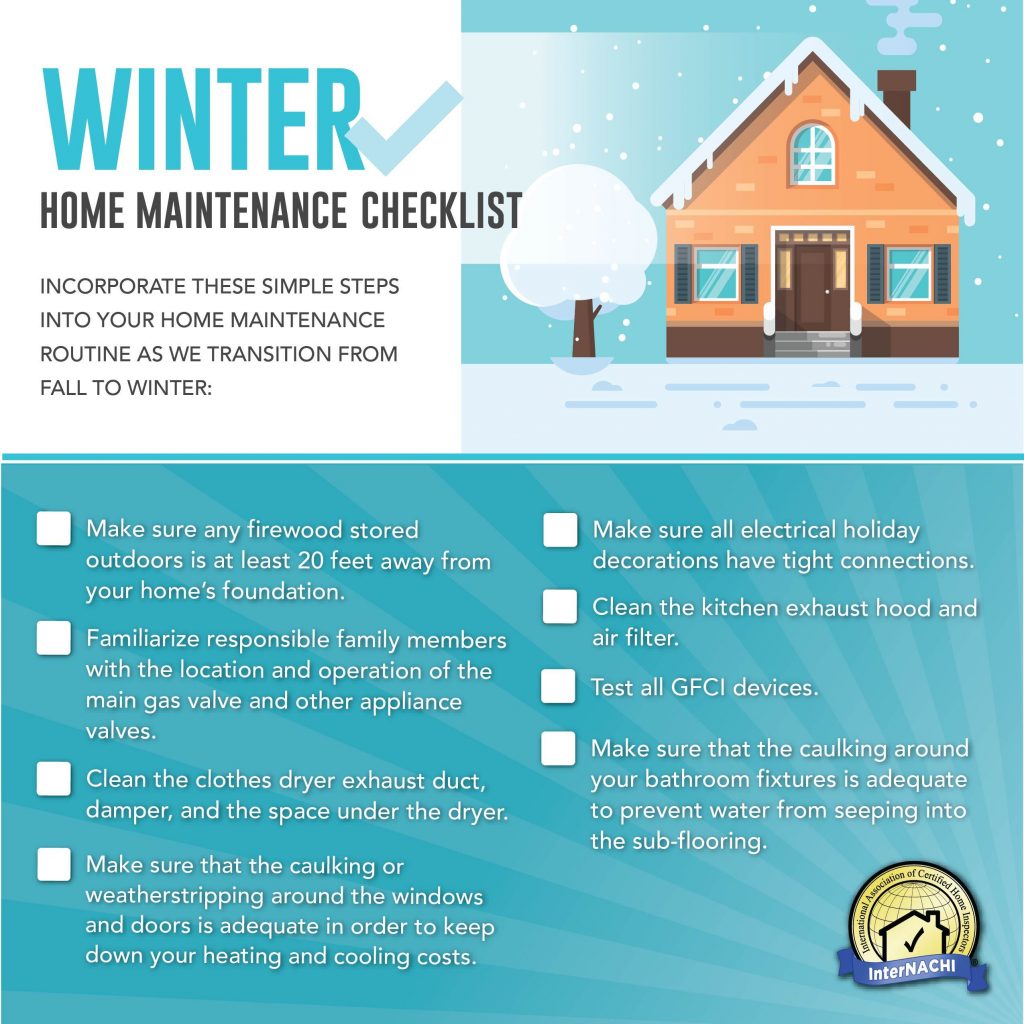
You can use this checklist to verify your preventative maintenance is up to date.
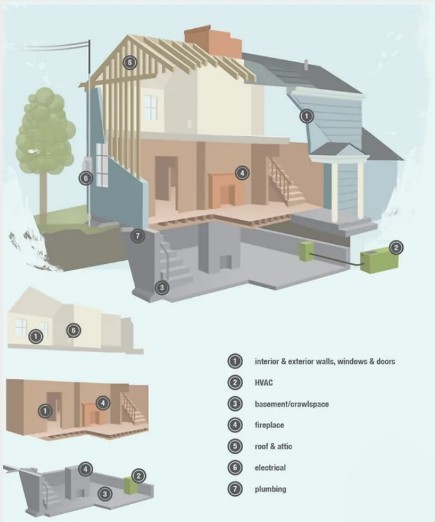
Keeping your property in peak condition requires looking at the details that often go unnoticed. Here is a point by point diagram of the key areas we help you monitor and maintain your building.
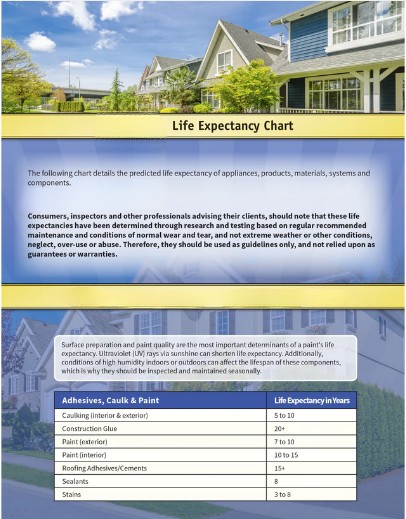
Understanding the lifespan of your property’s components is the first step in proactive maintenance. Based on industry-standard life expectancy data, here is what we monitor to ensure your “quality stays in shape”.